
Understanding HERS Ratings and Home Energy Performance
If you’re building a new home, pursuing energy-efficient construction, or participating in certain building programs, you may hear the term HERS Rating during the planning or inspection process.
A HERS Rating, short for Home Energy Rating System, is one of the most widely recognized methods for measuring and comparing a home’s energy efficiency.
This guide explains what a HERS Rating is, how it works, and why builders, homeowners, and energy professionals use it throughout Arizona.
If you’re looking for a certified HERS Rater, we can help connect you with qualified professionals serving your area.
Find a HERS Rating Professional
What Is a HERS Rating?
A HERS Rating is a nationally recognized scoring system that evaluates a home’s energy efficiency.
The rating is performed by a certified HERS Rater who analyzes various components of the home, including:
- Building envelope performance
- Insulation levels
- Air leakage
- HVAC efficiency
- Duct system performance
- Windows and doors
- Water heating systems
The result is a numerical score that indicates how efficiently the home performs compared to a reference home.
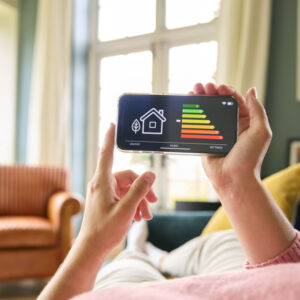 What Does a HERS Score Mean?
The HERS Index uses a scale where lower scores indicate greater energy efficiency.
In general:
- Lower scores represent more energy-efficient homes
- Higher scores represent less efficient homes
- A score of 100 typically represents a standard reference home
- A score of 0 represents a net-zero energy home
The exact score is less important to many homeowners than understanding how efficiently their home is expected to operate compared to similar homes.
Why Are HERS Ratings Used?
HERS Ratings provide an objective way to evaluate and document energy performance.
Builders, developers, homeowners, and municipalities may use HERS Ratings for:
- Energy code compliance
- Green building programs
- Energy-efficient home certifications
- New construction verification
- Home performance comparisons
- Utility incentive programs
The rating creates a standardized method for measuring energy efficiency across different homes and projects.
Is a HERS Rating Required in Arizona?
Not every project requires a HERS Rating.
However, HERS Ratings are commonly used in Arizona for:
- Certain energy compliance pathways
- High-performance home construction
- Green building certifications
- Energy-efficient building programs
- Select municipal or utility programs
Requirements vary by jurisdiction, builder, and project goals.
If you’re unsure whether your project requires a HERS Rating, consult your plans, permit documents, builder, or local building department.
How Is a HERS Rating Performed?
A certified HERS Rater typically evaluates both the home’s design and completed construction.
The process often includes:
Plan Review
The rater reviews construction plans and building specifications to evaluate projected energy performance.
Field Verification
The home is inspected during and/or after construction to verify installed systems and materials.
Blower Door Testing
Air leakage testing may be conducted to measure building envelope performance.
Duct Leakage Testing
The HVAC system may be tested to verify duct performance and efficiency.
Energy Modeling
Specialized software is used to calculate the home’s projected energy performance and HERS Index Score.
 Benefits of a HERS Rating
Even when not required, many builders and homeowners choose to obtain a HERS Rating because of the insights it provides.
Understand Energy Performance
A HERS Rating helps identify how efficiently a home is expected to operate.
Compare Homes
Buyers can compare homes using a consistent measurement system.
Identify Efficiency Improvements
The rating process may highlight opportunities to improve energy performance.
Support Energy-Efficient Construction
Builders can demonstrate their commitment to high-performance building practices.
Documentation for Programs and Certifications
Some energy-efficiency programs and certifications may require a HERS Rating.
Who Typically Uses HERS Ratings?
HERS Ratings are commonly used by:
- Custom home builders
- Residential developers
- Homeowners
- Green building professionals
- Energy consultants
- Architects
- High-performance home builders
As Arizona construction continues to emphasize efficiency and sustainability, HERS Ratings remain an important tool for measuring building performance.
HERS Ratings and Energy Code Compliance
In some situations, a HERS Rating may be used as part of an approved energy compliance pathway.
The rating can help demonstrate that a home’s overall energy performance meets or exceeds applicable standards.
Because code requirements vary, it’s important to consult qualified professionals familiar with your local jurisdiction and project requirements.
Frequently Asked Questions
What does HERS stand for?
HERS stands for Home Energy Rating System.
Is a HERS Rating the same as a home inspection?
No. A HERS Rating evaluates energy performance and efficiency. A traditional home inspection focuses on the overall condition and safety of the property.
How long does a HERS Rating take?
The process varies based on project size, construction stage, and program requirements.
Who performs a HERS Rating?
HERS Ratings are performed by certified HERS Raters who have completed specialized training and certification requirements.
Do you perform HERS Ratings?
No. We are an independent educational and referral resource. We help connect Arizona homeowners, builders, and contractors with qualified professionals who perform HERS Ratings and related energy testing services.
Need a HERS Rating in Arizona?
Whether you’re building a custom home, pursuing energy-efficient construction, or navigating energy code requirements, we can help connect you with qualified HERS Rating professionals throughout Arizona.
Request a Referral Today
Related Resources
- Blower Door Testing Arizona
- Duct Leakage Testing Arizona
- IECC Compliance Arizona
- Arizona Energy Code Inspections
- Find an Energy Code Inspector
- Arizona City Energy Code Requirements