
Understanding Blower Door Testing for Energy Code Compliance
If you’re building a new home or completing a project that requires energy code compliance, you may have been told you need a blower door test before final approval.
For many Arizona homeowners and contractors, this is the first time they’ve heard the term.
This guide explains what blower door testing is, why it’s required, and how it helps demonstrate compliance with modern energy efficiency standards.
If you’re ready to schedule testing, we can help connect you with qualified professionals serving your area.
Find a Qualified Blower Door Testing Professional
 What Is a Blower Door Test?
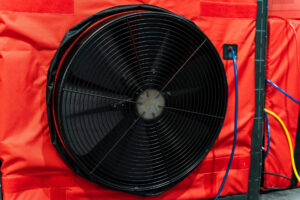
A blower door test measures how much air leaks through a home’s building envelope.
During the test, a specialized fan is temporarily installed in an exterior doorway. The equipment depressurizes the home, allowing the technician to measure how much outside air enters through cracks, gaps, and other openings.
The results help determine whether the home meets applicable energy code requirements and identify opportunities to improve energy efficiency.
Why Is Blower Door Testing Required?
Modern energy codes focus on reducing energy waste and improving building performance.
Excessive air leakage can lead to:
- Higher utility bills
- Increased heating and cooling costs
- Reduced indoor comfort
- Greater strain on HVAC systems
- Difficulty maintaining indoor temperatures
Blower door testing helps verify that a home’s thermal envelope performs as intended and meets applicable code requirements.
Is Blower Door Testing Required in Arizona?
Many Arizona municipalities require blower door testing for newly constructed homes and certain permitted projects.
Requirements are typically based on adopted versions of the International Energy Conservation Code (IECC) and may vary by jurisdiction.
Builders are often required to submit documentation demonstrating compliance before receiving final approval or a certificate of occupancy.
Always verify current requirements with your local building department.
What Does a Blower Door Test Measure?
The test measures air changes per hour, commonly referred to as ACH.
This measurement indicates how frequently the air inside a home is replaced by outside air under standardized testing conditions.
Lower air leakage generally indicates a tighter building envelope and improved energy efficiency.
Testing professionals use calibrated equipment and established procedures to generate accurate, code-compliant results.
When Is Blower Door Testing Performed?
Most blower door tests are conducted near the end of construction, after:
- Exterior doors and windows are installed
- Insulation is completed
- Air sealing work is finished
- HVAC systems are installed
- Construction is substantially complete
Scheduling testing too early may result in inaccurate measurements or the need for additional testing later.
What Happens If a Home Does Not Meet Requirements?
If a home does not achieve the required air leakage target, additional air sealing may be needed before final approval.
Common leakage areas include:
- Attic penetrations
- Recessed lighting
- Plumbing penetrations
- Electrical penetrations
- Window and door assemblies
- Mechanical chases
A qualified testing professional can often help identify areas contributing to excessive leakage.
 Benefits of Blower Door Testing
While blower door testing is often required for code compliance, it also provides practical benefits for homeowners.
Lower Energy Costs
Reducing unwanted air leakage can improve HVAC efficiency and lower monthly utility expenses.
Improved Comfort
Tighter homes are often easier to keep comfortable throughout Arizona’s hot summers and cooler winter months.
Better Indoor Air Quality
Controlled air movement helps reduce unwanted dust, pollutants, and outdoor contaminants entering the home.
Enhanced HVAC Performance
Reducing leakage allows heating and cooling systems to operate more effectively.
Who Needs Blower Door Testing?
Blower door testing is commonly required for:
- New home construction
- Custom homes
- Residential developments
- Certain additions and remodels
- Projects requiring energy code compliance verification
If you’re unsure whether your project requires testing, consult your permit documentation or local building department.
Arizona Cities Commonly Requiring Energy Testing
Requirements vary by municipality, but blower door testing is commonly associated with projects in:
- Phoenix
- Mesa
- Chandler
- Gilbert
- Tempe
- Queen Creek
- Scottsdale
- Surprise
- Peoria
- Glendale
Visit our Arizona City Requirements section for local information and municipal resources.
Frequently Asked Questions
 How long does a blower door test take?
Most residential blower door tests can be completed in less than an hour, although timing depends on the size and complexity of the home.
What is a passing blower door test?
Passing requirements vary by municipality and adopted energy code. A qualified testing professional can explain the applicable standards for your project.
Does blower door testing damage the home?
No. The testing process is non-destructive and uses temporary equipment installed in an exterior doorway.
Can an existing home have a blower door test?
Yes. While blower door testing is commonly used for code compliance, homeowners also use it to identify air leakage and improve energy efficiency.
Do you perform blower door testing?
No. We are an independent educational and referral resource. We help Arizona homeowners, builders, and contractors connect with qualified professionals who perform blower door testing and related services.
Need Blower Door Testing in Arizona?
Whether you’re a homeowner, builder, contractor, or developer, we can help connect you with qualified professionals who provide blower door testing services throughout Arizona.
Request a Referral Today
Related Resources
- Duct Leakage Testing Arizona
- HERS Ratings Arizona
- IECC Compliance Arizona
- What Is an Energy Code Inspection?
- Arizona City Energy Code Requirements